Nigeria’s news cycle over the past three days has been intense and consequential. From deadly village attacks in Niger State to the arrival of United States military personnel, alongside fresh inflation data and high profile political developments, the period between February 14 and February 17, 2026 reflects a country navigating economic adjustment and security strain at the same time.
Here is a detailed breakdown of the dominant stories shaping Nigeria this week.
At Least 32 Killed in Niger State as Gunmen Launch Coordinated Attacks
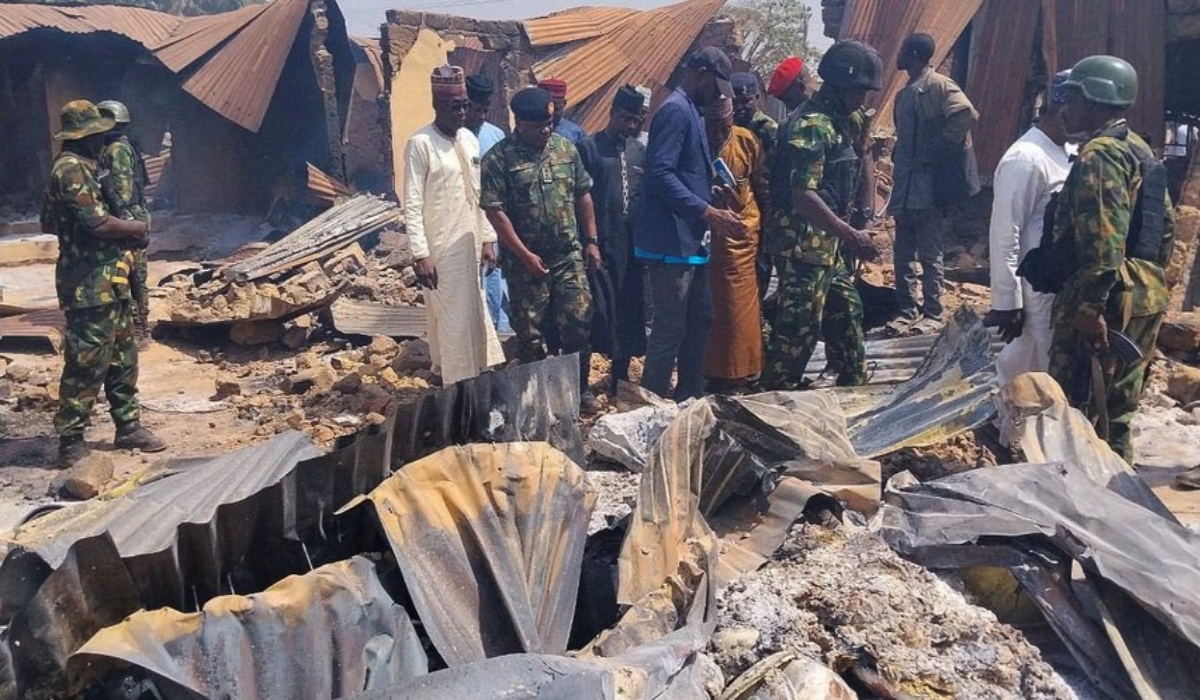
Armed assailants carried out coordinated raids on several communities in Niger State, killing at least 32 people, according to reporting by the Associated Press.
Witnesses described gunmen arriving on motorcycles at dawn, attacking villages, burning homes, and abducting residents. Survivors fled into nearby bush areas as communities struggled to account for missing persons.
The latest violence highlights the continued insecurity in parts of northern Nigeria, where bandit groups operate with speed and coordination. Despite ongoing military operations across the region, attacks on civilian populations persist, raising renewed concerns about rural protection and rapid response capabilities.
US Military Personnel Arrive in Nigeria for Expanded Training Mission
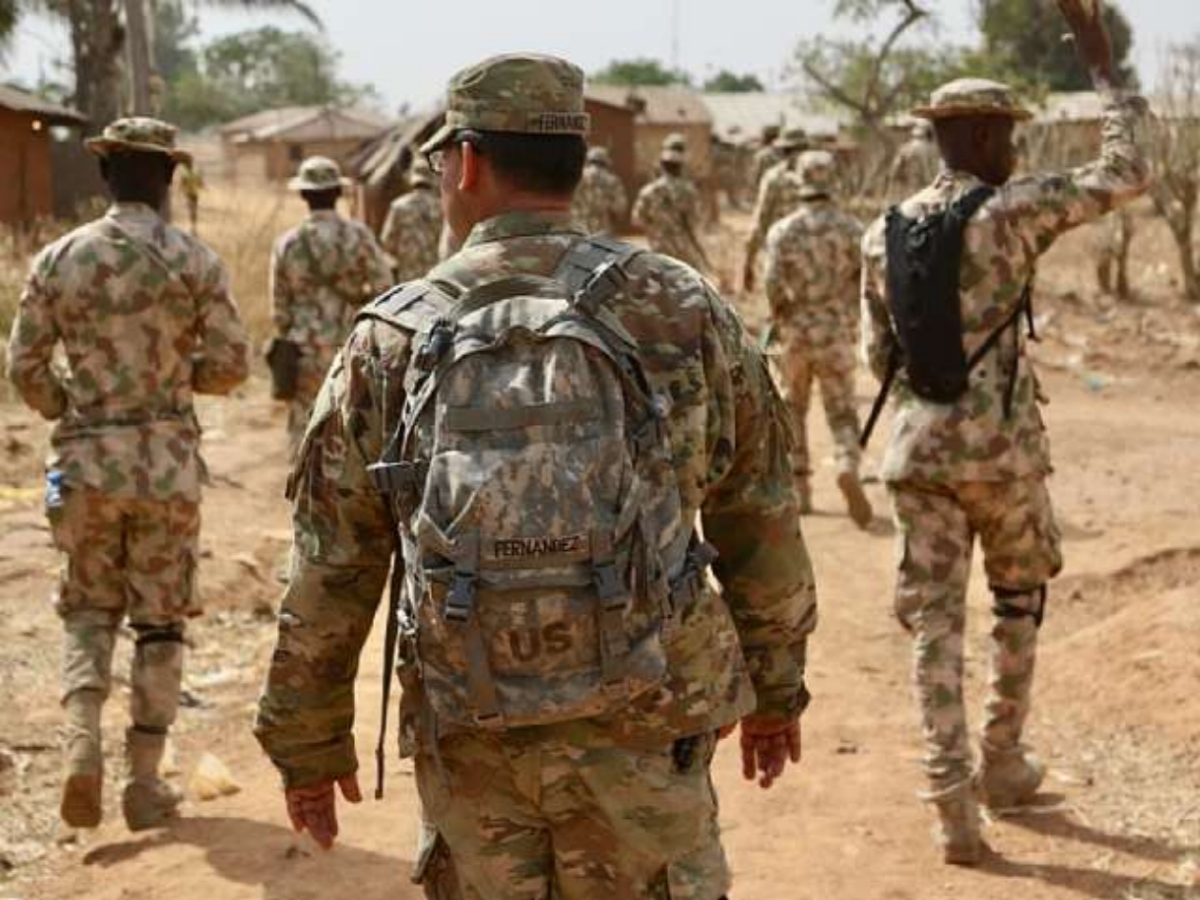
In a major development in Nigeria’s security partnerships, approximately 100 United States military personnel arrived in the country to support counterterrorism training and advisory efforts. The deployment may expand to up to 200 personnel.
According to Reuters and AP News, Nigerian authorities confirmed that US forces are present strictly for training, intelligence support, and operational advisory roles, not direct combat missions.
This cooperation comes amid continued insurgent threats from extremist groups operating in northern Nigeria. Military officials say the partnership is designed to strengthen local capacity, improve tactical coordination, and enhance intelligence sharing.
The arrival has also sparked public debate about sovereignty and long term security strategy, though the Nigerian military maintains that operational command remains fully domestic.
EFCC Detains Former Kaduna Governor Nasir El-Rufai
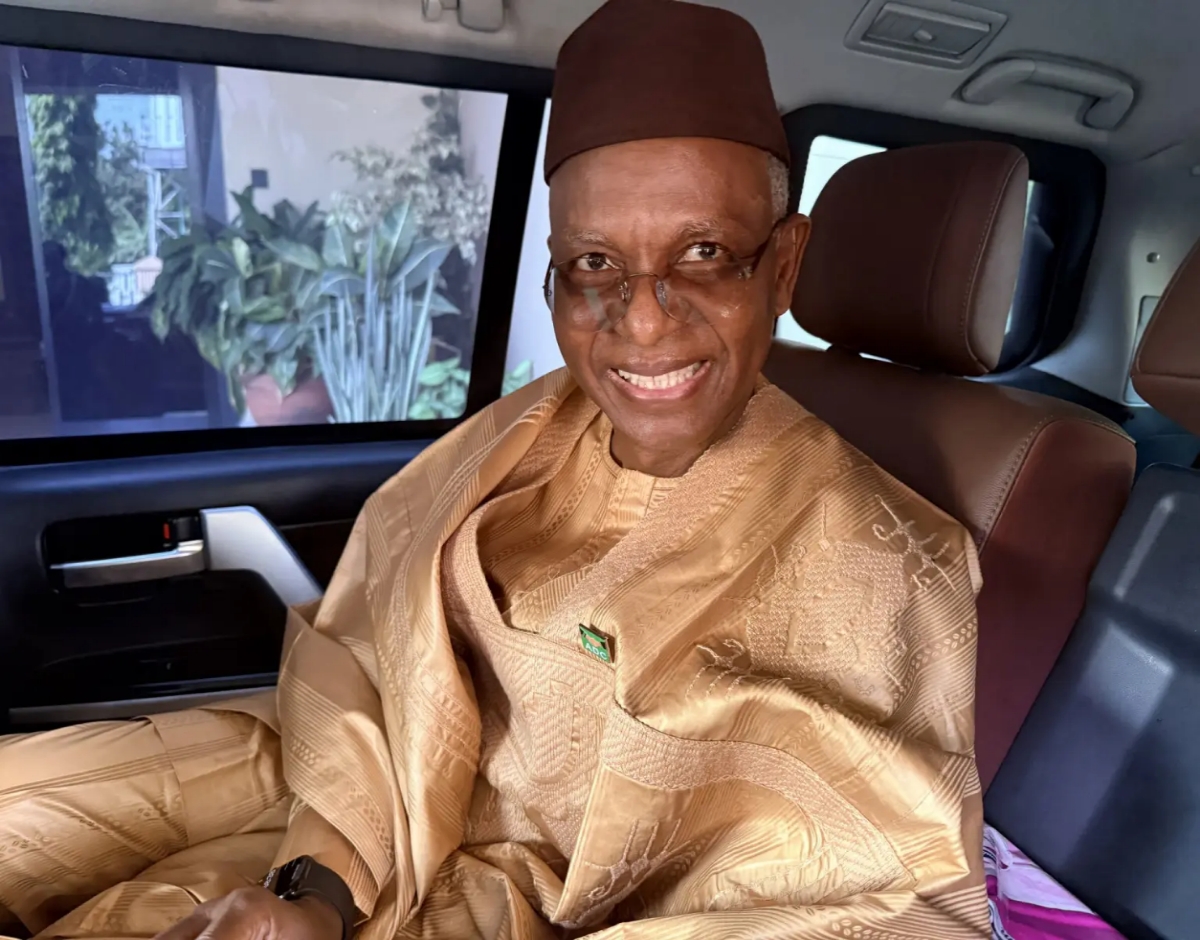
Former Kaduna State Governor Nasir El-Rufai remains in the custody of the Economic and Financial Crimes Commission following his appearance before the agency over alleged financial mismanagement during his tenure.
Reports indicate that El-Rufai honored the EFCC invitation but was detained for further questioning in connection with an alleged N432 billion fraud probe.
Additional reporting states that federal authorities have filed related cybercrime charges connected to alleged phone interception issues.
The development has drawn public demonstrations outside the EFCC headquarters, with protesters calling for accountability and transparency in the handling of the case.
The situation remains fluid, with legal proceedings expected to shape the political landscape in the coming weeks.
Inflation Falls to 15.10 Percent Ahead of Central Bank Meeting
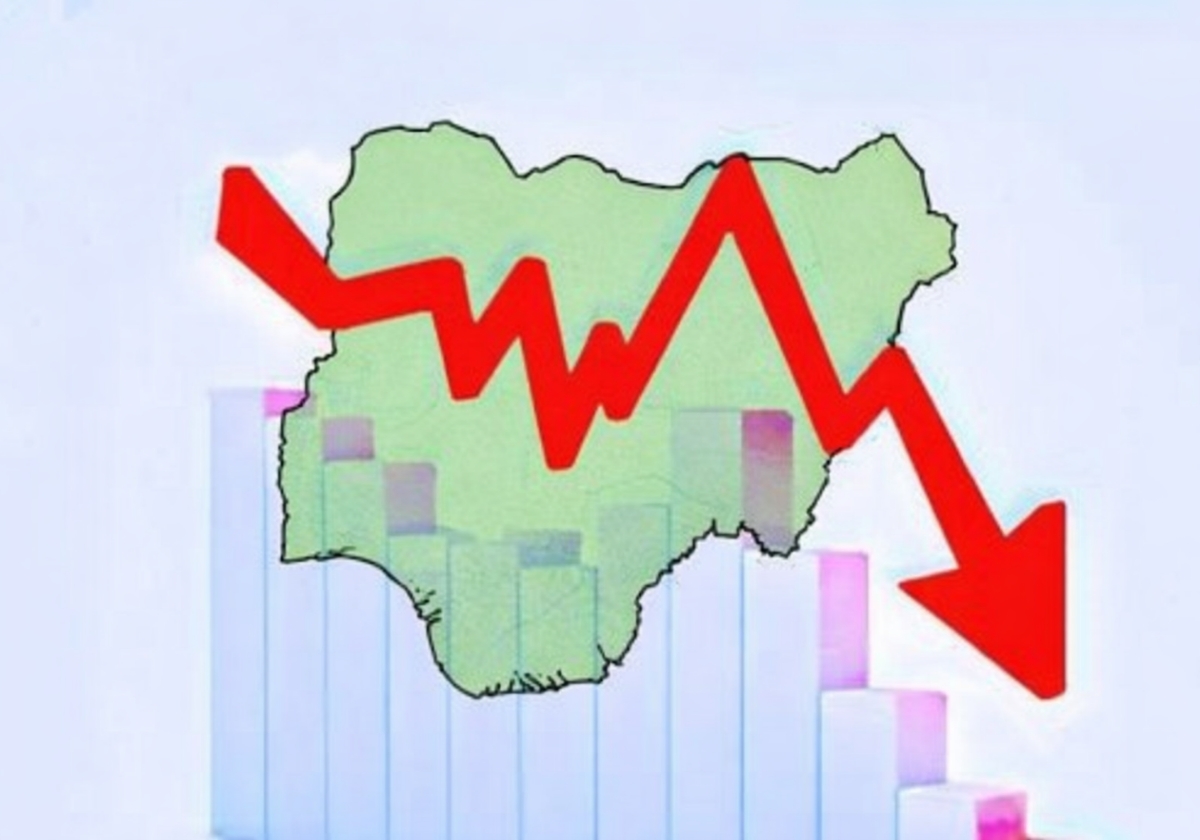
On the economic front, Nigeria’s headline inflation rate dropped to 15.10 percent in January 2026, down slightly from 15.15 percent in December 2025. The data marks the tenth consecutive month of decline.
National newspapers highlighted easing food prices as a major driver of the slowdown.
The inflation data comes just ahead of the Central Bank of Nigeria’s first Monetary Policy Committee meeting of the year, where policymakers are expected to assess whether the trend justifies adjustments to interest rate strategy.
For households, the marginal drop offers cautious relief amid broader cost of living pressures. For investors and financial markets, the sustained downward trajectory suggests improving macroeconomic stability, though structural vulnerabilities remain.
Security Forces Report Continued Clashes in Borno
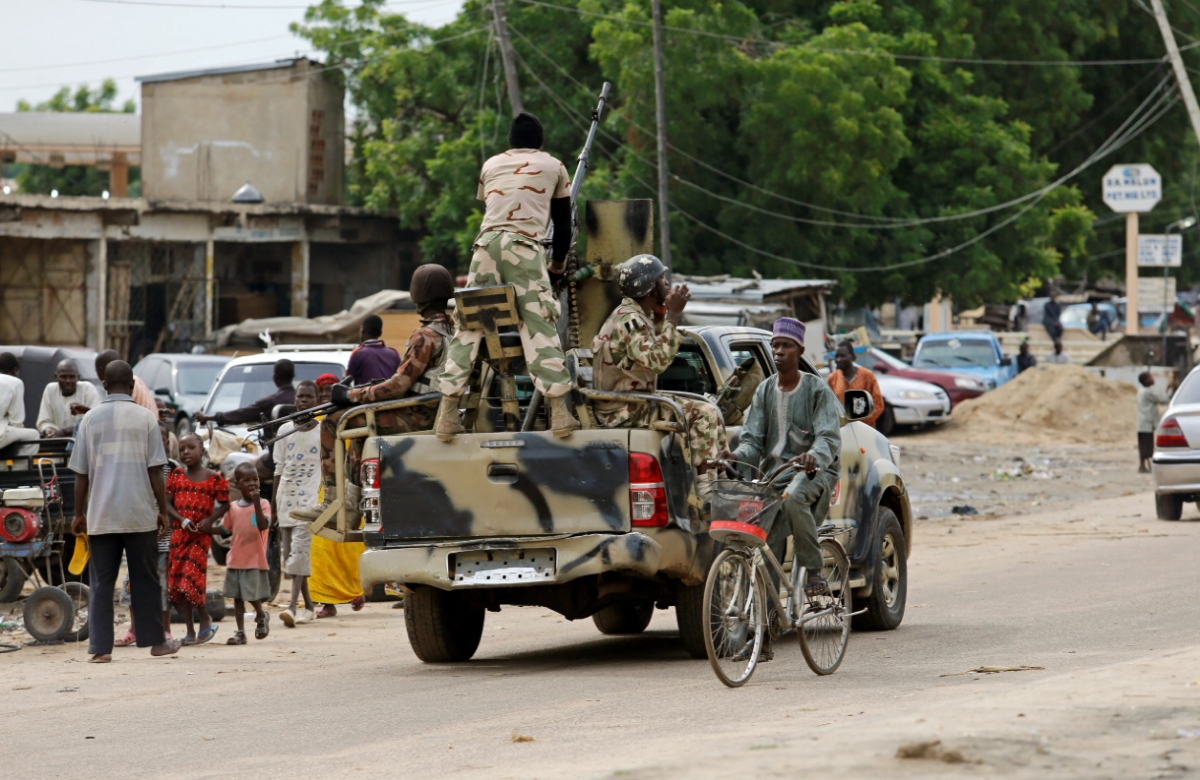
Beyond Niger State, Nigerian troops have reportedly repelled coordinated Islamist attacks in Borno State in recent days.
The northeast remains a core theater of insurgent activity, and while military officials reported tactical successes, the persistence of attacks underscores the ongoing complexity of Nigeria’s security environment.
Between February 14 and February 17, 2026, Nigeria’s headlines have been defined by three major currents: persistent rural violence, expanded international military cooperation, and a high profile anti corruption probe unfolding alongside modest economic relief through easing inflation.
Security challenges remain immediate and deadly. Political accountability mechanisms are being tested. Economic indicators show cautious improvement.
Nigeria’s trajectory in the coming weeks will depend on whether security operations gain sustained ground, whether legal processes unfold transparently, and whether inflation continues its downward trend.
This is a developing story landscape, and each of these threads is likely to shape national discourse well beyond this week.