The Manchineel Tree: The World’s Most Dangerous Tree
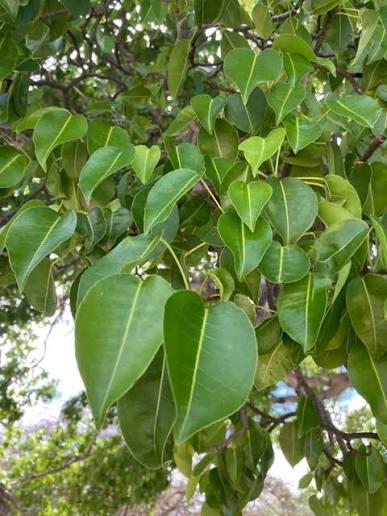
At first glance, the Manchineel tree (Hippomane mancinella) looks like any ordinary tropical tree — lush green leaves, small fruits, and a shady canopy that might tempt you to rest under it.
But beware: almost every part of this tree is poisonous.
Where It’s Found
The Manchineel tree grows mainly along Caribbean beaches, Central America, and parts of Florida. It thrives in coastal areas with sandy soil and salty air. You might spot warning signs or red paint marks on the trunks where locals know its deadly reputation.
The Fruit of Doom
The tree produces small, greenish-yellow fruits that look a lot like apples — sweet-looking but deadly. Just one bite can cause blistering, severe throat pain, vomiting, and even death in extreme cases. That’s why locals call it the “little apple of death.”
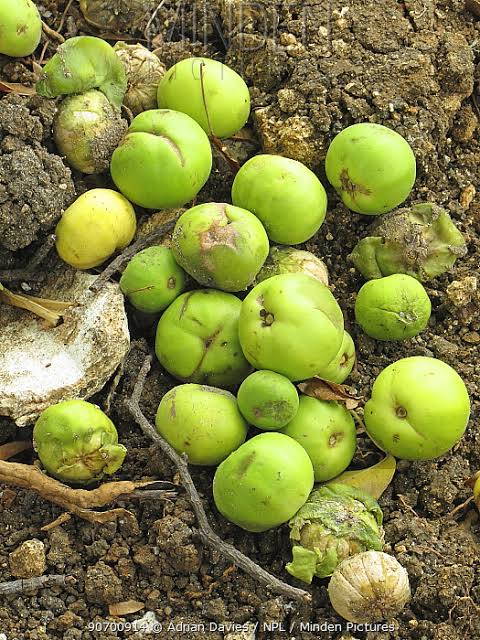
Even standing near the tree during rain can be dangerous — raindrops mixed with the tree’s sap can cause burns on your skin.
The Deadly Sap
The Manchineel tree’s sap is a milky white latex that contains strong toxins.
• Touching it can cause instant skin irritation and painful blisters.
• If it gets into your eyes, it can cause temporary blindness.
• Burning the wood is even worse — the smoke can irritate or damage your lungs and eyes.
This toxic sap is nature’s defense system, keeping animals (and people!) from eating or damaging it.
How Locals Handle It
In regions where it grows, locals are very careful around it.
• The trees are often marked with warning signs or red paint.
• People avoid sheltering under them, especially during rain.
• Farmers and workers who must handle the trees wear protective gloves and goggles.
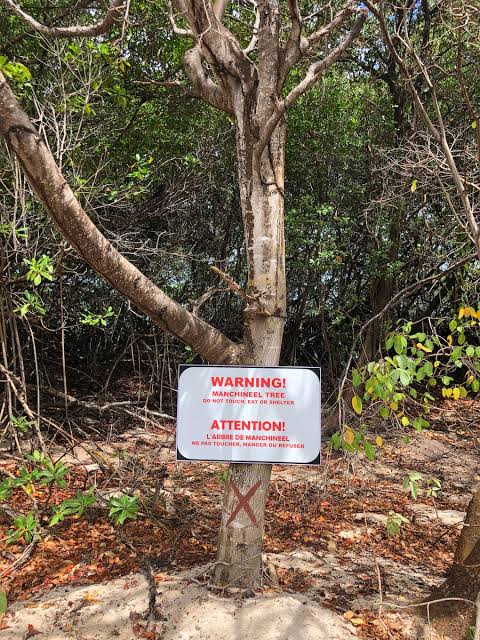
Despite its danger, some communities still use the wood — but only after drying and detoxifying it safely for months.
Fun (and Frightening) Facts
• The Manchineel’s name comes from the Spanish “manzanilla de la muerte,” meaning “little apple of death.”
• Explorer Ponce de León is rumored to have died after being struck by arrows tipped with Manchineel sap.
• Some animals, like certain iguanas, are immune and can eat its fruit safely — one of nature’s strange exceptions!
The Manchineel tree is a reminder that not everything in nature is as harmless as it seems.
Its beauty hides a deadly secret — but it also plays an important role in coastal ecosystems, helping prevent beach erosion and providing shelter for wildlife (at a safe distance, of course!).