Forget waiting for the final whistle of the current season; the buzz for the 2026 FIFA World Cup is already humming in the background of every football conversation. But this isn’t just another four-year cycle. This is the big one. The "continent-spanning, forty-eight team, three-nation" experiment that promises to be the most ambitious sporting event ever staged.
If you think 2026 feels far away, check your calendar. For the traveling fan, the logistics start now. This tournament isn't just about 90 minutes on a pitch; it’s a full-blown North American odyssey. Whether you are a die-hard ultra or a casual observer caught up in the "Fan Voyage" trend, here is your deep-dive guide to the spectacle that awaits in Canada, Mexico, and the United States.
The Scale: Three Nations, One Massive Party
For the first time in history, three countries are co-hosting the World Cup. We are talking about 16 host cities spread across four time zones. The sheer scale is staggering, but that’s exactly what makes it exciting. This isn’t a tournament where you stay in one city and take a subway to every match. This is a road trip.
Canada: The Great White North is bringing a cosmopolitan flair. Toronto and Vancouver are not just hosting games; they are cultural hubs where hockey territory cedes ground to football fever.
Mexico: The spiritual heart of the tournament. There is arguably no venue in the world with the mystique of the Estadio Azteca. Mexico offers a football heritage that feels almost religious.
The USA: The land of the mega-stadium. The US is providing the infrastructure muscle, with NFL-sized venues that will turn group stage matches into spectacles rivaling the Super Bowl.
Your Traveler’s Cheat Sheet: Navigating the Host Cities
Because the tournament is so spread out, you can’t see it all. The smartest fans are picking "hubs" to base themselves in. Here is a breakdown of the vibes you can expect.
1. The Northern Gems (Vancouver & Toronto)
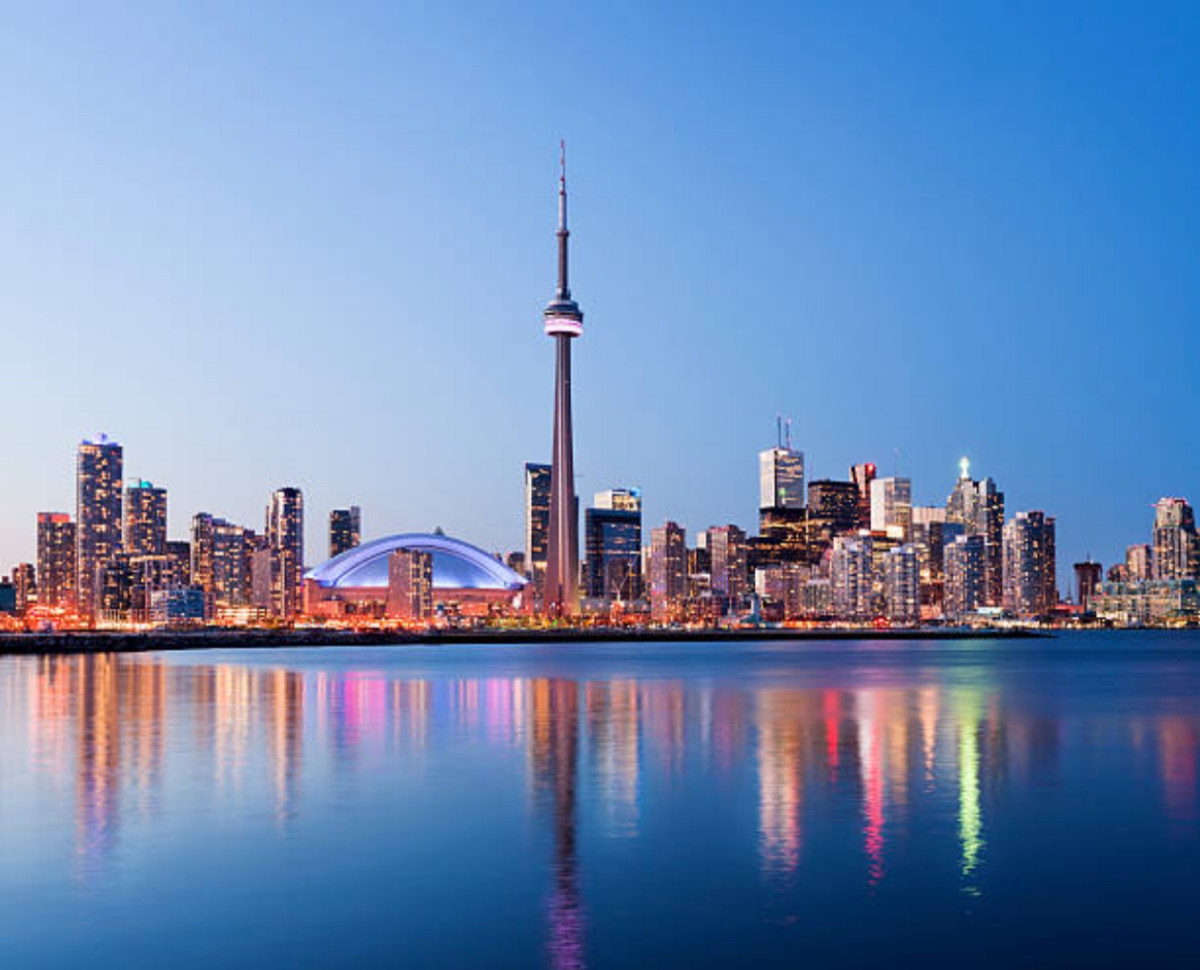
Toronto City Skyline
If you want a mix of urban sophistication and nature, head north.
The Vibe: Chill, diverse, and incredibly friendly. Vancouver offers ocean-meets-mountain views that will break your Instagram, while Toronto is a multicultural feast.
Must-Do: In Toronto, grab a peameal bacon sandwich at St. Lawrence Market before the match. In Vancouver, cycle the Seawall to shake off the match-day nerves.
2. The Passion Pit (Mexico City, Guadalajara, Monterrey)
Estadio Azteca Mexico City Stadium
If you want to feel the raw emotion of the game, this is non-negotiable.
The Vibe: Electric. The noise levels in Monterrey and Guadalajara are legendary. In Mexico City, the altitude isn't the only thing that will take your breath away—the chanting starts hours before kickoff.
Must-Do: Tacos are life here, but look for Cochinita Pibil if you're exploring the culinary depth. And remember: The "Fan Fest" zones in Mexico are often as loud as the stadiums.
3. The American Circuits
Atalanta Mercedes Benz Satdium
The US venues are loosely grouped, making travel easier if you stick to a region.
East Coast (NY/NJ, Philadelphia, Boston, Miami): Fast-paced and historic. You can take the train between many of these cities. Philadelphia is arguably the most underrated sports city in America—their fans are intense.
The South & Central (Atlanta, Dallas, Houston, Kansas City): This is where you find the best BBQ and the biggest roofs. Atlanta’s stadium is a marvel of modern engineering, and Kansas City is the soccer capital of the Midwest.
The West Coast (Los Angeles, San Francisco Bay Area, Seattle): Laid back vibes with high-tech stadiums. Seattle’s Lumen Field is famous for being one of the loudest open-air stadiums on earth.
The "Social-First" Revolution
Fans taking selfies
The 2026 World Cup will be the first truly "Gen Z" tournament. We are seeing a shift from pure spectating to active participation.
The Digital Dugout: Expect connectivity to be a major priority in stadiums. Fans aren't just watching; they are streaming reactions, analyzing stats in real-time AR (Augmented Reality) overlays, and curating their own broadcast via social media.
Cultural Exchange: With 48 nations competing, the streets will be a melting pot. The trend is moving away from hooliganism and toward "collaborative fandom"—swapping jerseys, sharing food, and vlogging the experience together.
The Logistics: Why You Need to Plan Now
It sounds eager, but accommodation in these 16 cities will vanish fast. The "Fan Voyage" isn't just about tickets; it's about securing your base camp.
Visas: If you are an international traveler, navigating entry requirements for three different countries can be tricky. Check your passport expiration and visa needs now.
Travel Hubs: Booking flights between matches (e.g., flying from Miami to Toronto) will be the biggest expense. Look for rail options in the Northeast US or budget airlines for short hops.