Do You Know That Plants Have genders…and some even change them?
When most people think of gender, they picture humans or animals. But here’s a surprising fact: plants have genders too! And just like everything else in nature, their approach to reproduction is full of creativity, drama, and clever survival strategies. From self-reliant solo bloomers to plants that literally change gender, the plant world proves that nature always finds a way.
The Hermaphrodites — Nature’s Self-Sufficient Stars
Let’s start with the hermaphrodite plants, the ultimate multitaskers. These plants carry both male and female reproductive organs in the same flower. The male part (called the stamen) produces pollen, while the female part (the pistil) receives it to form seeds.
Because both parts exist in one flower, hermaphrodites can pollinate themselves — no partner or neighbor needed! This is called self-pollination, and it’s a major survival advantage, especially in areas where there are few pollinators or other plants nearby.
Examples?
Bananas, hibiscus, and tomatoes.
These plants are experts at independence. Give them the right conditions, and they’ll keep reproducing without waiting for bees, butterflies, or the wind to lend a hand.
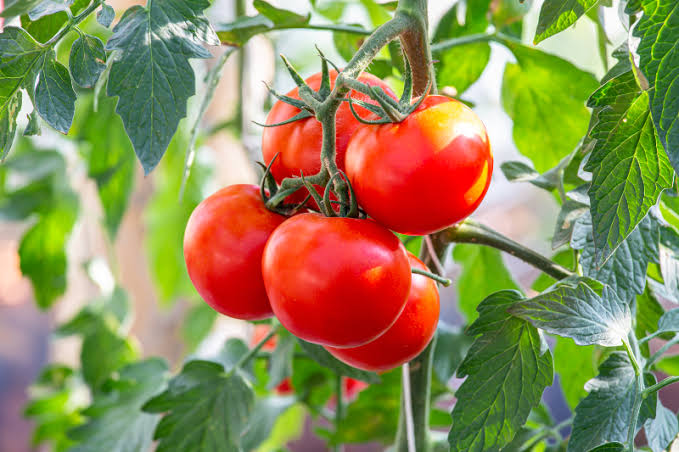
Tomato plant
However, self-pollination has its downsides too. Since the genetic material comes from one plant, there’s less genetic diversity, which can make offspring more vulnerable to disease or environmental change.
The Dioecious — Team Players
Then we have dioecious plants, and these ones believe in teamwork! The word dioecious literally means “two houses”, one for the males and another for the females.
In these species, each plant is either male (producing only pollen) or female (producing eggs and fruit after pollination). It’s a clear division of labor. For them to reproduce successfully, pollen must travel from the male to the female plant, usually carried by wind, insects, or animals.
Examples?
Pawpaw trees, spinach, and date palms.
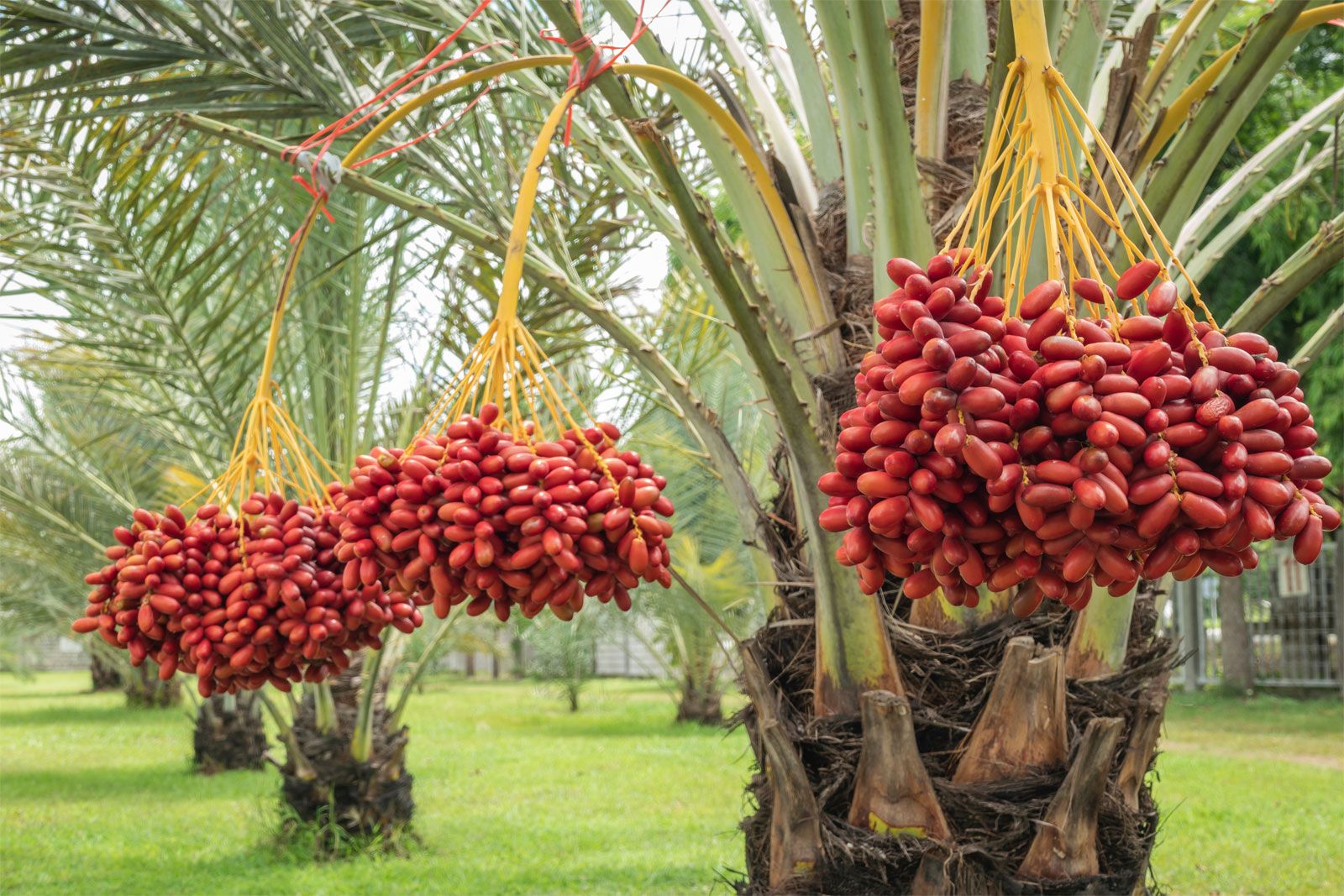
Date palm plant
For instance, a pawpaw farm will only produce fruit if both male and female trees are planted together. The male flowers produce pollen, and once that pollen reaches a female flower, the magic happens, fruit begins to form. The female does all the fruit-bearing work, but without the male, there would be no fruit at all.
This separation of roles helps maintain genetic diversity, since offspring come from two different parents. It’s nature’s way of ensuring variety and resilience. But it also means dioecious plants rely heavily on their environment, if pollinators disappear or conditions change, reproduction can slow down dramatically.
The Gender Changers — Nature’s Plot Twists
Now, here’s where things get really interesting. Some plants can change gender! Depending on the season, temperature, sunlight, or even stress, a plant may switch from male to female, female to male, or even carry both traits at once. Scientists call this sequential hermaphroditism, and it’s one of nature’s most flexible survival tricks.
Examples?
Jackfruit trees and striped maple are known for their gender-bending abilities.
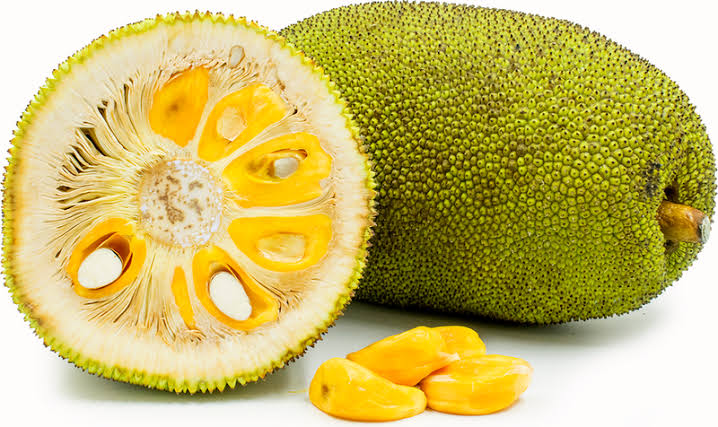
Jackfruit
Imagine a jackfruit tree that starts off male, producing pollen. But as conditions shift say, the weather becomes more favorable for fruiting, it can develop female flowers to start bearing fruit. This ability helps plants adapt when the environment changes, ensuring reproduction continues no matter what challenges come their way.
Understanding how plant genders work isn’t just a fun fact, it’s practical knowledge. Farmers, gardeners, and botanists all depend on these principles to get the best yields and maintain healthy ecosystems.
For example:
• If you plant only male date palms, you’ll never get dates.
• If you grow tomatoes, they’ll likely self-pollinate — but adding pollinators can boost production.
• And if you manage a forest, knowing which trees can change gender helps you predict fruiting patterns and seed availability for wildlife.
Plant gender systems also influence biodiversity. The mix of hermaphroditic, dioecious, and gender-changing species ensures nature has both stability and flexibility. Hermaphrodites can survive isolation, dioecious plants keep genes diverse, and gender changers adapt when conditions get tough. Together, they form a balance that keeps ecosystems thriving.
So, the next time you walk through a garden or see fruits at the market, remember: there’s more happening than meets the eye. Every flower, leaf, and fruit is part of a complex story about reproduction, survival, and adaptation.
From the self-reliant hermaphrodites, to the team-playing dioecious plants, and the unpredictable gender changers — plants show us that life is all about flexibility and balance.
And honestly? Their gender drama might just rival your favorite TV show.